Training on Automated Inspection Technologies

Two-dimensional (2D) vision systems capture flat images of objects using a camera. They can measure an object's dimensions (X and Y axis) and detect product flaws. Vision systems operate best in controlled environments with consistent lighting to ensure accurate process control. 2D vision systems are key in automating inspection and improving efficiency across various industries. Their cost-effectiveness, ease of use, and fast processing make them ideal solutions for applications where analyzing a plane without measuring depth in an automated fashion is essential.
This technology is highly effective at spotting surface flaws, confirming measurements, and guaranteeing correct product assembly. This is vital in sectors like consumer electronics, the auto industry, and many others.
2-Dimensional Inspection
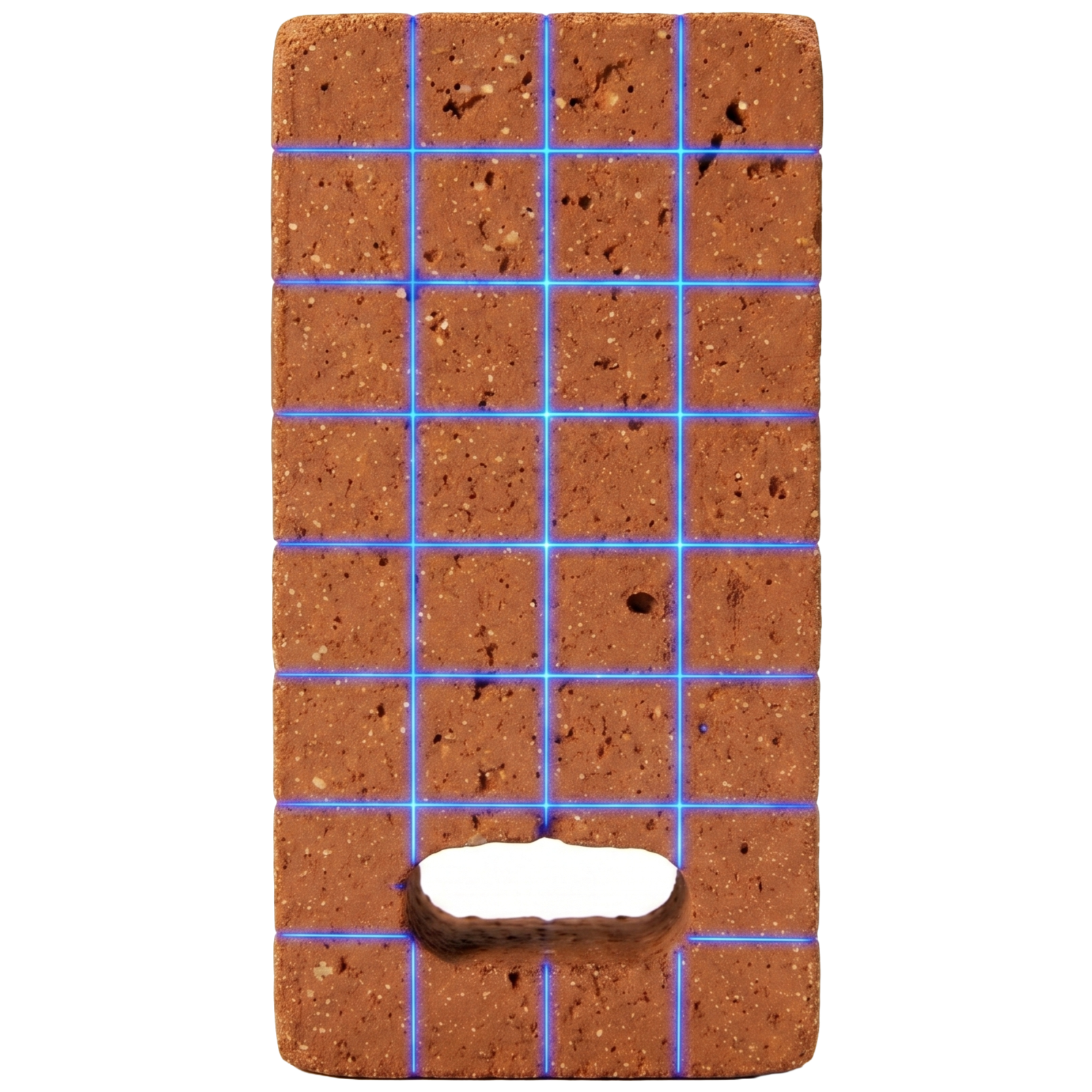
3D vision systems utilize cameras, sensors, and software to acquire and interpret three-dimensional representations of objects.
3D imaging offers accurate measurements and detailed feature information for automated flaw detection. They are an excellent option for precise inspection and assembly verification, and can help robotics determine object location for automated picking and handling applications. 3D vision can guide automated sorting based on target size or geometry or be used in palletizing and depalletizing operations for expedited loading and unloading. Also, manufacturers use this technology to guide machines in processing (for example, welding, coating, painting, etc.), among other uses. By identifying imperfections and providing guidance, 3D vision systems improve operations while decreasing manual labor and production cycle time.
3-Dimensional Inspection

Ensuring superior product quality is essential for manufacturers, and AI is transforming quality control in modern factories. Using computer vision and advanced machine learning, AI can robustly automatically inspect products for defects, deviations, or inconsistencies. Unlike human inspectors, who can become fatigued or miss subtle flaws, AI can examine massive product volumes quickly while preserving consistent precision. By catching issues in the manufacturing process as soon as they occur, AI ensures fewer defective products leave the plant - increasing customer satisfaction and reducing scrap.
AI-Powered Inspection
Reserve a Seat
If you're interested in learning more about automated inspection technologies, please leave a comment in the form.